
Expert Advice, Market Trends & Exceptional Cars
Insights for Collectors, Investors & Enthusiasts
Whether you're looking to acquire a rare collector's car, understand current market trends, or learn more about some of the world's most desirable vehicles, our insights are designed to help.
Here we share our expertise on classic and modern performance cars, investment opportunities, buying and selling strategies, market movements, ownership advice and the stories behind some of the most sought-after vehicles in the world.
From iconic Ferraris and Porsches to limited-production supercars and rare automotive treasures, you'll find valuable insights to help you make informed decisions and get more from your passion for exceptional cars.
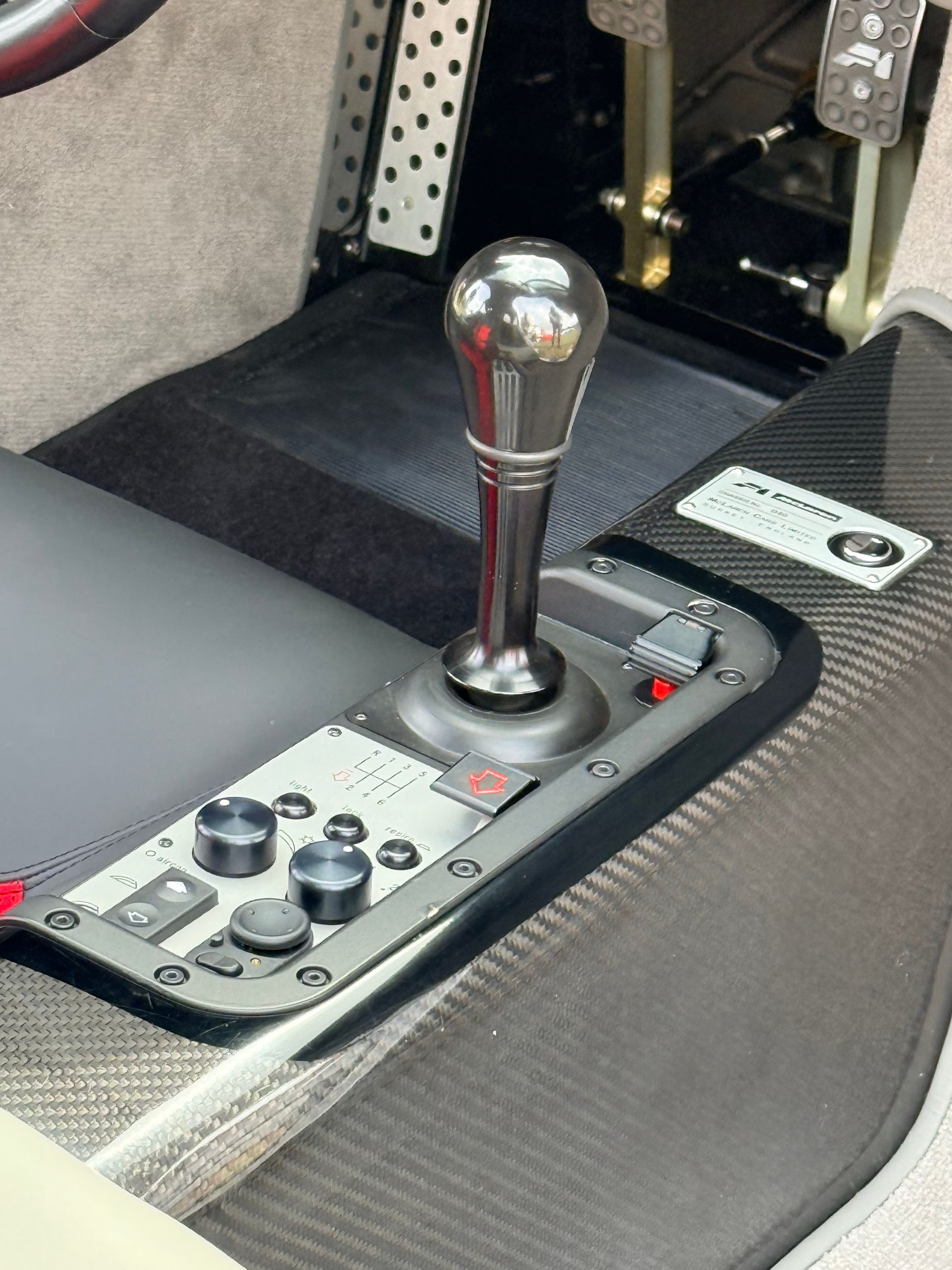
If you spend enough time around collectors cars, there is one question that you’ll hear more than any other - “what’s it worth?”. Now, it’s a perfectly reasonable question to ask, especially for those looking to buy or sell particular vehicles, however, it’s very rarely as black and white as that. More often than not, the correct question is actually “what makes this car valuable?”. Because in the world of the rarest and most valuable cars, price and value very rarely align. Ultimately I believe that they should be treated as separate entities. The market determines the price. History, rarity and significance determine the value. Market Trends Matter…But They Omit Details Now, don’t get me wrong, of course, market conditions play an important role in the collector car market. Factors such as economic confidence and global demand will naturally influence pricing and buyer confidence. But markets move in cycles and the most successful collectors understand this. They don’t chase headlines, or act on emotion alone. Instead, they focus on acquiring exceptional examples of exceptional cars that mean something to them. Very rarely do they purchase for the sake of it - that’s not how they reached the Quality has a remarkable habit of remaining desirable in the long term, no matter what the market is doing short term. Price Is a Moment in Time Something often overlooked in the industry is that market prices are very rarely set in stone. More often than not, the price is simply the amount someone agrees to pay on a particular day. All too often people are drawn in by media or auction headlines which give the impression that a record sale instantly defines the value of every similar car. As much as I, and many others, would love this to be the case - it doesn’t. That figure reflects one buyer, one seller, one set of circumstances and one moment in the market. Whether it be two determined collectors battling it out or extraordinary history and provenance, a sale price is a data point, not a definitive benchmark. The true value of a collector car is always more complex than just one sale. Time Adds Value but. Provenance Changes Everything Collector cars build value over time, naturally. Desirable for being a feat of engineering or being culturally significant around the world, these cars captivate people long after the original purchase price has been forgotten. Despite this, two versions of the same car can attract vastly different prices. Why? However, imagine two identical cars, same year, colour and mileage. At first glance, one would assume that their values are identical. But a quick dive into their history and you’ll see that there are differences which can quickly alter their values. One has impeccable provenance. The original paperwork, full service history, and also a notable previous owner. Now the goalposts have shifted. Nothing mechanical has altered, yet the value has increased dramatically. In the collector car world, history often carries more weight than horsepower. Rarity Alone Isn’t Enough People assume, and naturally so, that low production value automatically creates value. If only it were that simple! Rarity has to be accompanied by desirability, whether that be historical importance or driving experience, a low production rate is rarely enough. One trend I’ve noticed over the years as more people buy cars as an investment, is the growing appreciation for originality. No matter the car being sought, collectors are becoming increasingly selective. An untouched interior with all the correct finishes and factory paint can be a defining factor in the decision. To casual observers, these details may appear insignificant, but to serious collectors, they can make all the difference, particularly when hundreds of thousands of pounds will be spent. This authenticity comes at a premium because it cannot easily be recreated and once lost, it’s rarely recovered. The Emotional Premium Something that cannot be overlooked, nor measured on a spreadsheet, is the emotional premium placed on a car. It’s not about production counts, or brake horsepower, instead it’s something inside the collector that makes this the right car. I’ve seen countless collectors scour for years to find the exact specification for them, not because of potential ROI, but because of emotion. Whether it was the first car that was on their wall or a particular owner that inspired them, they’re drawn to a specific model. Emotion has always influenced collecting. And I suspect it always will. The best collections are built with both the head and the heart. Final Thoughts One of the most valuable things an adviser can do is help clients see beyond the headline figure. My role is about more than just helping people spend money, but understand why certain factors demand a premium in the immediacy, or why some cars will hold their value over time. Ultimately, price is what changes hands and value is what remains. The finest collector cars aren’t usually remembered because they achieved record auction results. They’re remembered because they represented something greater either to an industry or just to an individual. For me, those are the qualities that define lasting value. Whilst markets fluctuate and headlines fade, exceptional cars, cared for by passionate custodians, will stand the test of time. It’s for that very reason that, to me at least, collecting has always been about more than money. It’s about preserving something that deserves to be appreciated by the next generation.
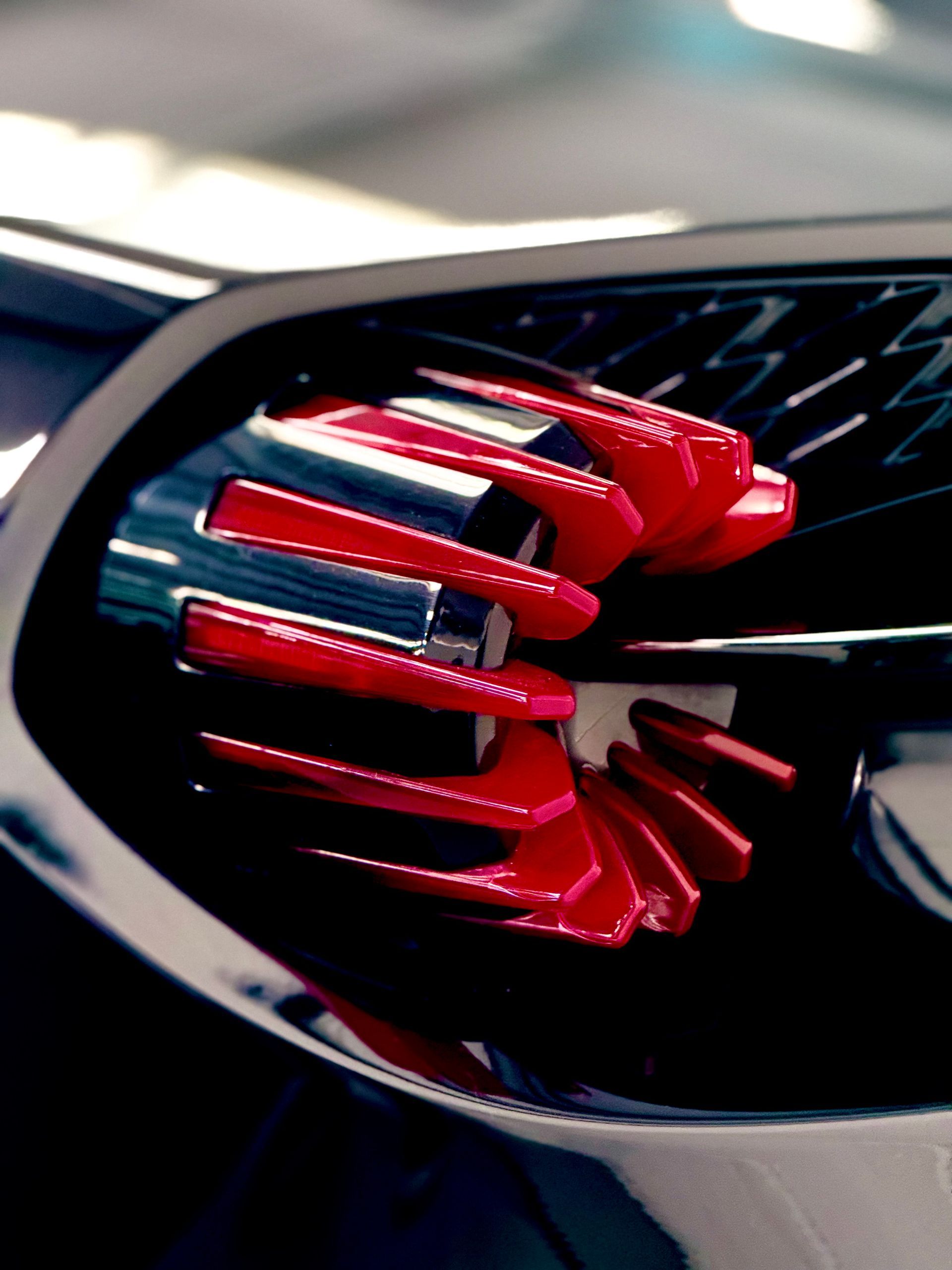
The search for an exceptional car can be exciting, especially when it’s just beginning. But as the hunt goes on, particularly when searching for bespoke or rare cars that don’t appear all too often, it can be easy to start looking at the more “niche” marketplaces. Despite this, it’s imperative that when values run into hundreds of thousands, or even millions, of pounds, you take enough time to verify the details of the transaction, especially if you’re seeking to seal the deal without a broker or trusted partner. Throughout my time in the industry I’ve seen a lot of shady practices, sometimes the cars themselves never even existed. Here are some of the most common warning signs to look out for when searching for your next investment. The Fake Ad A tale as old as time, fraudsters copy photographs, descriptions and even chassis numbers from genuine listings and post them as their own. These are usually for a considerably lower fee than you’d expect to see a car listed for, drawing in a wide array of victims. These can come in two forms, either as a car dealership offering access to certain vehicles or, for more exclusive cars, an unauthorised broker. These people claim to represent sellers but have no right to list the car as their own, nor have access to them. To counteract this, be sure to stand firm and ask for tangible evidence of their authority as well as the car and its seller. Never share sensitive information or agree to proceed without this. The Car Once the car has been verified as real, and the seller is indeed willing to sell, the next step is the physical vehicle. Now, the goal is to assess the history of the vehicle and also the physical condition it’s now in. A low mileage, famous former owner or impressive service history can add significant value, but only if the claims can be verified. Likewise, it’s all too easy to cover things up in photos. Be sure to inspect the car thoroughly, understanding the current condition of the car and the work that may potentially need doing now or in the near future. Use the tools at your disposal to run a full assessment of the car. Check the chassis number, ownership history, servicing, originality and any outstanding finance, and arrange an independent inspection before parting with any cash. The Payment You’ve done it, you’ve found a real ad, you’ve verified the owner and the history of the car and are almost ready to enter the transaction. This is another way that people can try to pull the wool over your eyes one last time by either increasing the price, or pressuring you to pay. The first thing to be wary of is pressure to pay a large deposit before you’re done inspecting the vehicle. This is a common method to take money before you’ve done your own due diligence. Similarly, if the payment details change at short notice be wary to reverify these details and also research the escrow-service. All too often these false details or last-minute changes are to divert the money away from the “seller” and to a fraudster. To best protect yourself, ensure you’ve viewed both the car and its documentation before making any payment, agreeing deposit terms in writing. Likewise, before sending the payment, independently verify the provider and confirm all the payment details before hitting send. Closing Thoughts Ultimately, there is always a risk when making high-value purchases and, especially when working alone, the best opportunities deserve careful investigation. Without this extra time spent, you can easily make a costly mistake that costs people thousands each year. At Super Classico, we believe that discretion, honesty and thorough due diligence are essential to every acquisition. The right car should come with the confidence that you know exactly what you are buying. That’s why, when using us to broker your deal, we’ll offer openness and transparency every step of the way throughout our network of carefully curated and vetted network of buyers and seller
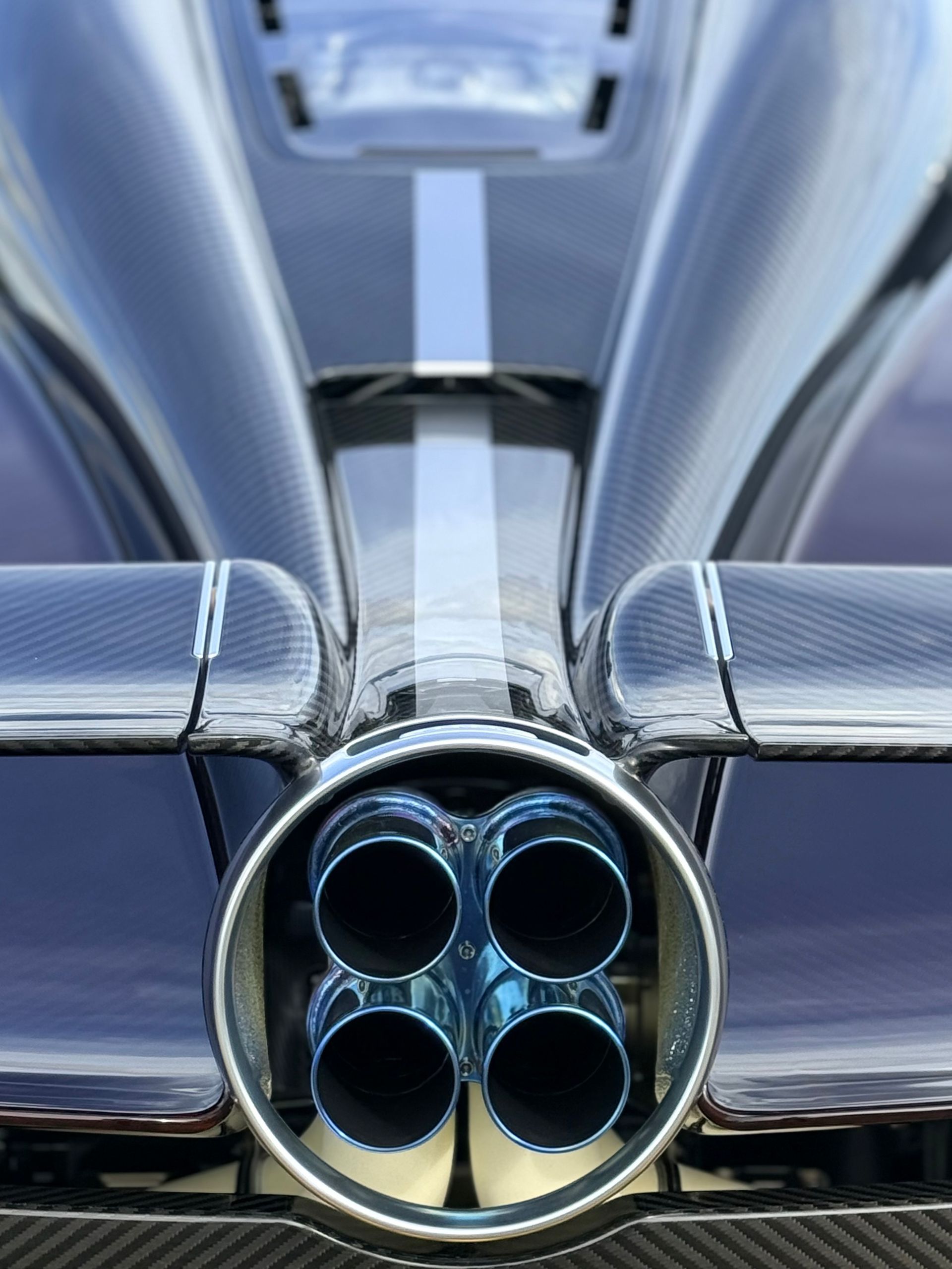
When people hear about a multi-million-pound collector car sale, they often imagine the negotiation is the hardest part. However, in my experience, that’s usually the easiest part! The headlines are always the same, “A rare Ferrari sells for £5 million” or “A historic Porsche changes hands”, but what these headlines fail to mention is the weeks of work going into the sale. In reality, the transaction itself is only a small part of the story and the real work begins on my end long before anyone discusses price. It Starts With a Conversation As I’ve previously covered, most collector cars I source aren’t actively for sale so I’m not searching for listings on AutoTrader. Instead, the process often begins with a discreet conversation at a show, or via LinkedIn. Throughout these conversations, an owner may mention that they are considering refining their collection or a collector may quietly ask whether a particular model could ever become available. Neither side is committed, and neither side is under pressure. It’s simply two parties exploring possibilities without expectation. Is It the Right Match? Matching the right buyer and seller is often more important than just securing the highest price for the potential seller and one of the most valuable things I can do is match like minded people but also recognise when a transaction shouldn’t happen. For whatever reason there are times that the sale just shouldn’t go through, whether it be a personality clash between buyer and seller, or a financial stumbling block, if either party is at all unsure then that within itself is often enough to pull the plug. The perfect opportunities don’t need to be forced, and walking away from the wrong deal protects everyone involved. Due Diligence Before Negotiation Only once both parties are comfortable with each other, and the potential deal at hand, does the detailed work begin. For these ultra-exclusive cars, it’s a deeper dive than you’d perhaps imagine. As well as independent inspections of the vehicle itself there is a full documentation review including ownership history, service records, and factory documentation. Beyond the car, there is a plethora of legislation meaning identity verification and compliance checks of the buyer are also completed. For significant collector cars, this provenance is every bit as important as physical condition. Confidence is built through facts, not assumptions. The Negotiation Isn’t About Winning There’s a common misconception that negotiations are about one side beating the other. It’s often that the seller has hiked the price, whilst the buyer is constantly haggling it down. In reality, this rarely happens. Of course there is a little natural bartering, but the best transactions are those where both parties leave satisfied, and not fatigued. Naturally the seller wants confidence that their cherished car is moving to the right next custodian, whilst the buyer wants reassurance that they are acquiring a car exactly as represented. As such, my role isn’t to create conflict, it’s to create clarity. Managing expectations honestly, communicating openly and keeping emotions under control when decisions become difficult are all essential to ensuring a smooth transaction. The Details Matter As a transaction progresses, countless practical considerations come into play. Many of these aren’t even an afterthought to those involved, but to a broker, these are the details that mean everything. On the paperwork front much of the work is around finances and ownership. For example; what does the payment structure look like and when does legal ownership transfer? Logistically, delivery of the car is imperative, therefore the main questions are; who arranges transport, and what does the insurance look like during this time? In the UK these questions can be difficult, but when dealing with overseas buyers, these logistics are multiplied tenfold. Specifically how are registration, export or import requirements managed, and how is the car being transported to its new home? These details rarely attract attention, yet they are often what determine whether a transaction proceeds smoothly making professional preparation essential. Handover Day People often imagine excitement when a multi-million-pound collector car changes hands, but in truth, the atmosphere is usually mixed. From the seller, there is often a quiet moment of reflection as they take one last look at a car they may have owned for decades. Whilst from the buyer, there is a moment of appreciation for the latest addition to their collection. Each handover day is unique, aside from the keys and paperwork changing hands. Sometimes there’s small talk between buyer and seller, a few photos or social media posts, but no two days are the same. For me, it’s a reminder that these cars are more than metal on wheels, or valuable assets. They are part of people’s lives, and need to be treated with the utmost respect. Final Thoughts No two collector car transactions are the same, every individual has different priorities and ambitions, whilst every car has its own history. What remains constant is the need for honesty and discretion. These principles matter far more than clever negotiation tactics or dramatic last-minute offers. Ultimately, the best deals are never the quickest, but they’re the ones that are completed professionally and discreetly. These are the ones that brokers strive for, building the strongest relationships, and sometimes even friendships, in the long run. So next time you see the headline announcing a £5 million collector car sale, spare a thought for everyone involved. Beyond the destination, but the weeks of work prior to get to this point..
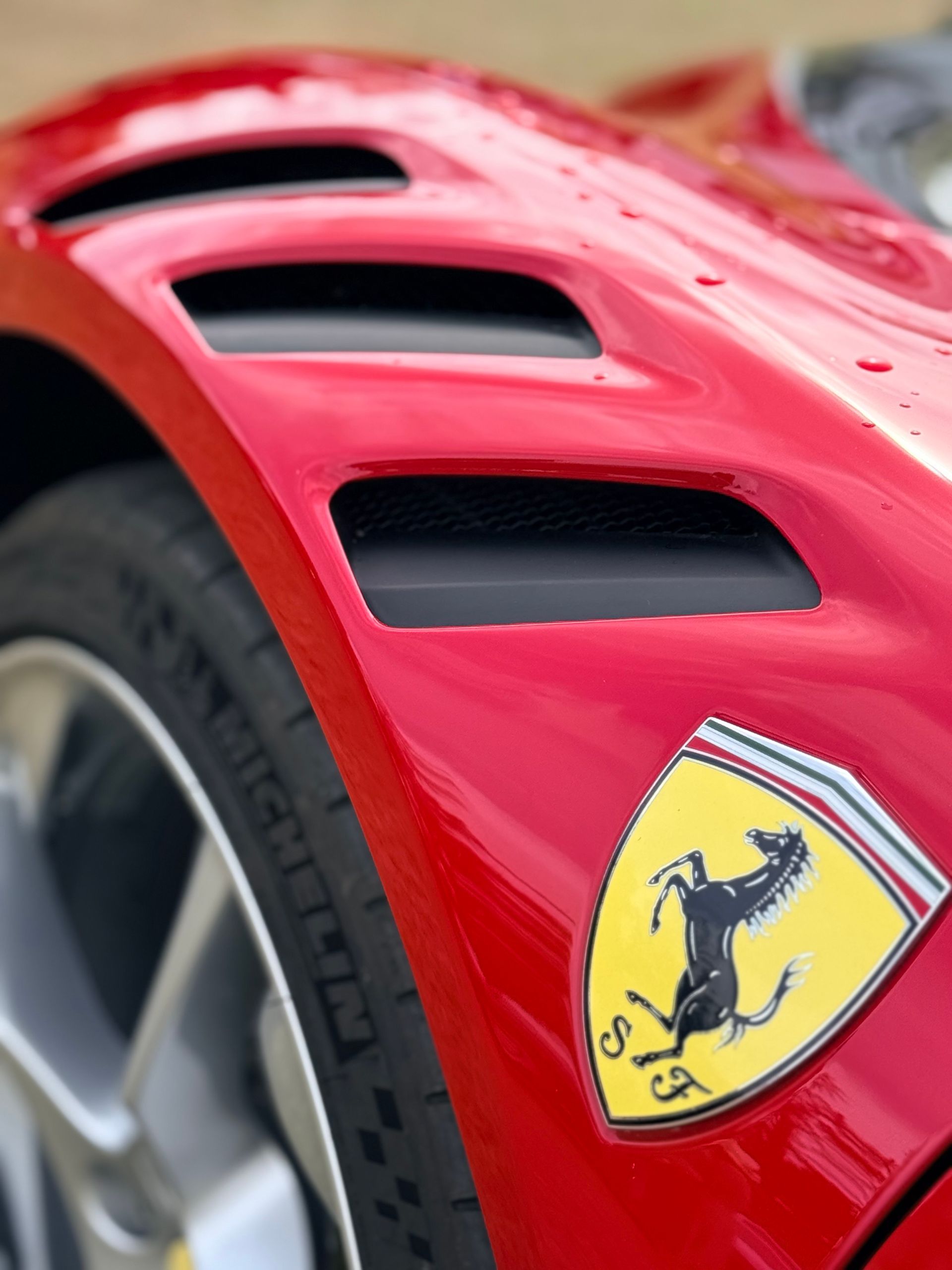
Something often overlooked in this industry is that the buyer is more important than the finances. Now, hear me out. One of the biggest misconceptions about the collector car market is that finding a potential buyer is the difficult part. It isn’t, finding suitors for some of the rarest cars in the world, is actually more simple than you might think. However, finding the right buyer is the tricky part. When you’re selling a £50,000 car, you can afford to deal with a number of enquiries before finding the right person. But, the stakes are charged when you’re entrusted with a collector car worth upwards of £1 million. Every introduction carries responsibility, every conversation matters, and every buyer must be carefully qualified before a seller’s privacy and time are placed at risk. Not Every Enquiry Is a Buyer The internet has made it incredibly easy for people to find and express their interest in cars. Despite the increased reach often being regarded as a good thing, there are pitfalls that have to be accounted for. With increased ease comes a greater number of enquiries from people who don’t have genuine interest or the ability to purchase these cars. They usually aren’t malicious people, they’re usually passionate about cars, or dreamers with ambition, very rarely are they spying on sellers or their collections. But, because of this, my first responsibility is to identify the difference and filter out those who aren’t genuine prospects. The Right Buyer Isn’t Always the Highest Bidder One of the most interesting aspects of the collector car world is that price isn’t always the deciding factor. I’ve seen owners choose a buyer who wasn’t offering the highest figure because they believed that person would become the right next custodian when compared to others. Perhaps they intended to preserve the car rather than immediately resell it, better understood its history and heritage, or perhaps they simply approached the transaction with honesty and respect. For many collectors, knowing where a treasured car is going is as, if not more, important than the final number on the contract. Understanding Motivation One of the first questions I ask myself isn’t about whether the prospective buyer can afford the car, it’s their motivation for choosing this particular car. That answer often reveals far more than bank statements ever could. Perhaps they’re completing a long-term collection or replacing a car they regret selling years ago. The possibilities are endless, and are important to explore. Serious collectors usually have a story and, through honest conversation you can understand the person behind the interest. It’s only by doing this that you can truly determine whether the opportunity is right for both buyer and seller. Qualification Protects Everyone Now, in my experience, buyer qualification is sometimes misunderstood as an unnecessary obstacle when in reality, it protects both parties. For the seller, it prevents confidential information being shared with people who have no legitimate reason to receive it. For the buyer, it ensures they are treated seriously from the outset, with access to the information they need once their credentials have been established. Despite the importance of the process, it should never feel confrontational, it should feel thorough yet professional. After all, anyone purchasing a significant collector car would expect the same level of care if the roles were reversed, right? Financial Capability Matters Now, of course finances are important, and at some point, every significant transaction reaches the same stage. The buyer needs to demonstrate that they have the financial ability to complete the purchase. It’s essential to note that this isn’t about mistrust, it’s about certainty and in the world of high-value assets, discussions around proof of funds and banking arrangements are standard practice. Handled professionally and respectfully, these conversations protect everyone involved, giving the seller confidence that negotiations are progressing with a genuine purchaser rather than a speculative enquiry. Compliance Is Part of Professionalism Not the most glamorous part of the industry, today’s collector car market operates within a framework of international regulations designed to combat fraud, and financial crime. Know Your Customer (KYC) and background checks are no longer optional, they’re part of responsible business practice. While these processes can sometimes slow down the pace of a transaction, they add another layer of security and ultimately strengthen the market as a whole, protecting all involved parties. Therefore, professional compliance should never be viewed as a barrier to doing business but viewed as a sign that the business is being conducted properly and above board Trust Builds Relationships In the collector world, exceptional vehicles are rare, but successful transactions should never feel like a one-off or a fluke. People should be inclined to return, respecting and appreciating the efforts being put in by brokers who work to make the right deal happen for all involved. Following the correct processes protects both buyers and sellers and builds relationships through honesty and trust which, in today’s market, are worth their weight in gold. However, this network of buyers and sellers is only possible over time, being built upon mutual respect and understanding, but it’s essential as ultimately people buy from people. Final Thoughts Buying a multi-million-pound collector car is about far more than financial capability, it’s about understanding that behind every exceptional vehicle is an owner who deserves confidence that their prized possession is passing into the right hands. In my experience, the finest transactions begin long before price is discussed. They begin with trust and everything else falls into place from there.
Confidentiality in off market high value car sales
New Since getting into the car market over 30 years ago, I’ve been a strong believer that the rarest collector cars aren’t usually sold online. They’re sold through relationships. At first I thought it was simple, you have a car, list it online and someone will buy it, but, as my career has progressed I’ve noticed more and more that for a certain market people buy from people. Some of the most significant deals take place away from the “normal” means of selling. These cars never appear on Auto Trader, Collecting Cars, or even the world’s leading specialist websites, and they rarely become the subject of public discussion until long after they’ve changed hands and appear at a show, or in a new location. Yet, these cars are bought and sold every week. Hundreds of thousands, sometimes millions of pounds worth of car, without anyone knowing. As people find out about this, I’m often asked how the really special cars change hands without anyone knowing they’re available? And my answer, as simple as it may sound, is trust.
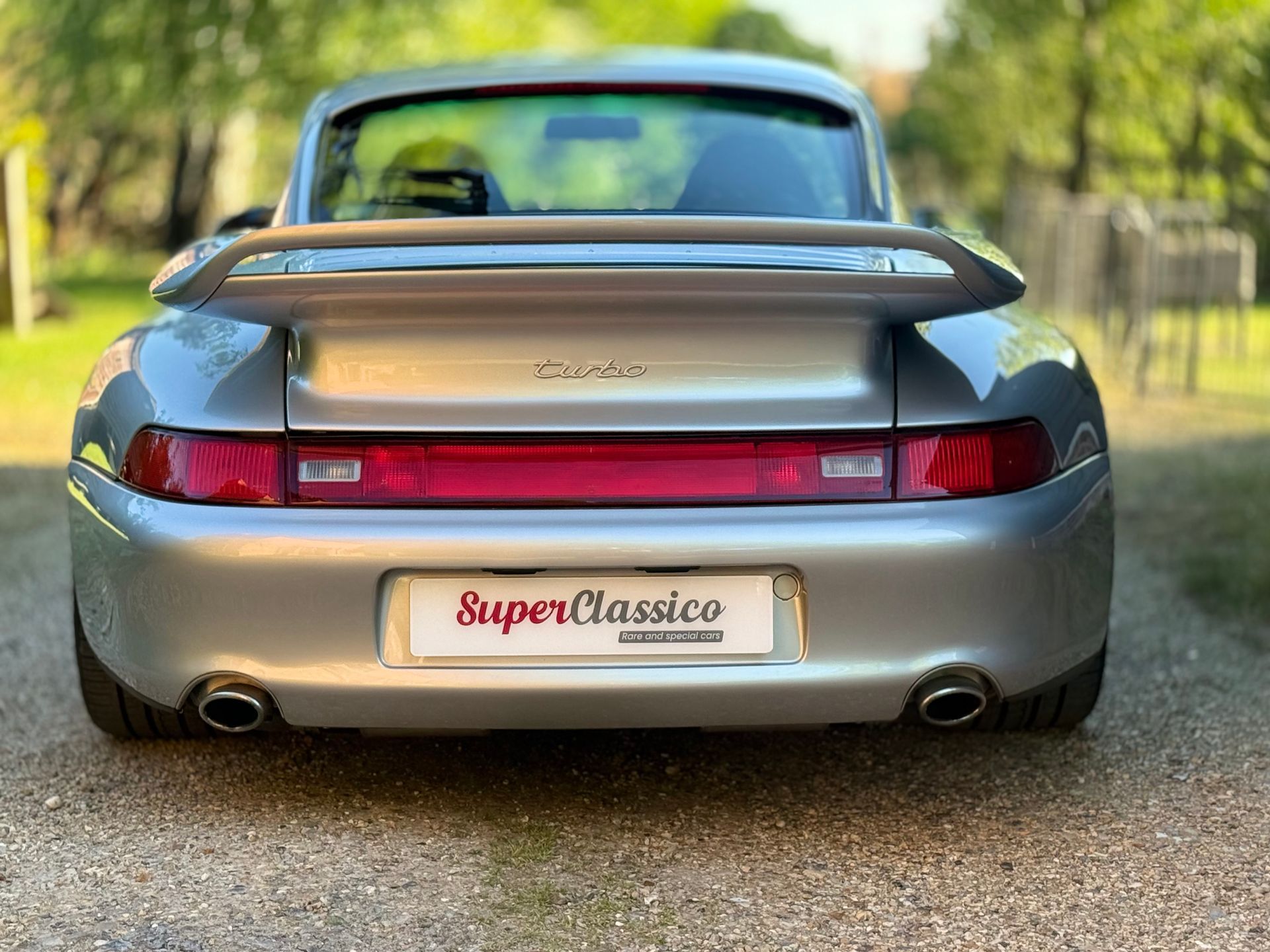
Despite multiple factors impacting the market, Porsche continue to demonstrate remarkable resilience amongst collectors, with several key models posting significant gains over recent months. But why have certain models continued to climb whilst others have faltered? Here, I’ll break down 3 of the biggest gainers and the reasons why I think they’re here for the long haul. Perhaps the least surprising entry on the list is the 997 GT3 RS. Emerging as one of the defining modern-era Porsches it combines analogue driving characteristics with genuine motorsport pedigree, occupying a unique position in the market. In a world of EV’s, many buyers increasingly seek naturally aspirated, manual cars, and the model’s status as one of the last truly analogue GT products, has driven sustained upward pressure on values. Meanwhile, the 993 Turbo continues its transition from desirable classic to blue-chip collectable. As the final air-cooled Turbo model, it has long enjoyed a special status among Porsche enthusiasts. Recent market activity suggests that it’s pushing the boundary beyond the enthusiasts as its scarcity, alongside the growing global demand for air-cooled cars, has accelerated value growth. Exceptional examples are now commanding figures that would have seemed impossible just a decade ago. Perhaps the most interesting movement, however, has been seen with the 996 GT2. For years, it remained overshadowed by its GT3 contemporaries, but the market has begun to recognise the significance that true petrol-heads always saw. With rear-wheel drive, turbocharged power and a famously demanding driving experience, the 996 GT2 represents a raw and uncompromising era of Porsche engineering that is unlikely ever to be repeated. What unites these three models is authenticity. They’re true to what they claim to be and, in an increasingly digital automotive landscape, collectors are placing ever greater value on rarity, mechanical purity and historical significance. For the Porsche market, these attributes continue to translate directly into appreciation.
The winds of change are blowing and the investment car market is evolving. Attracting collectors, investors, and enthusiasts seeking assets that combine passion and finances in a way that only cars can. While classic Ferraris, Porsches, and Aston Martins have long been a play thing for the uber-wealthy, today's market is being reshaped by changing demographics, technology and global wealth trends.