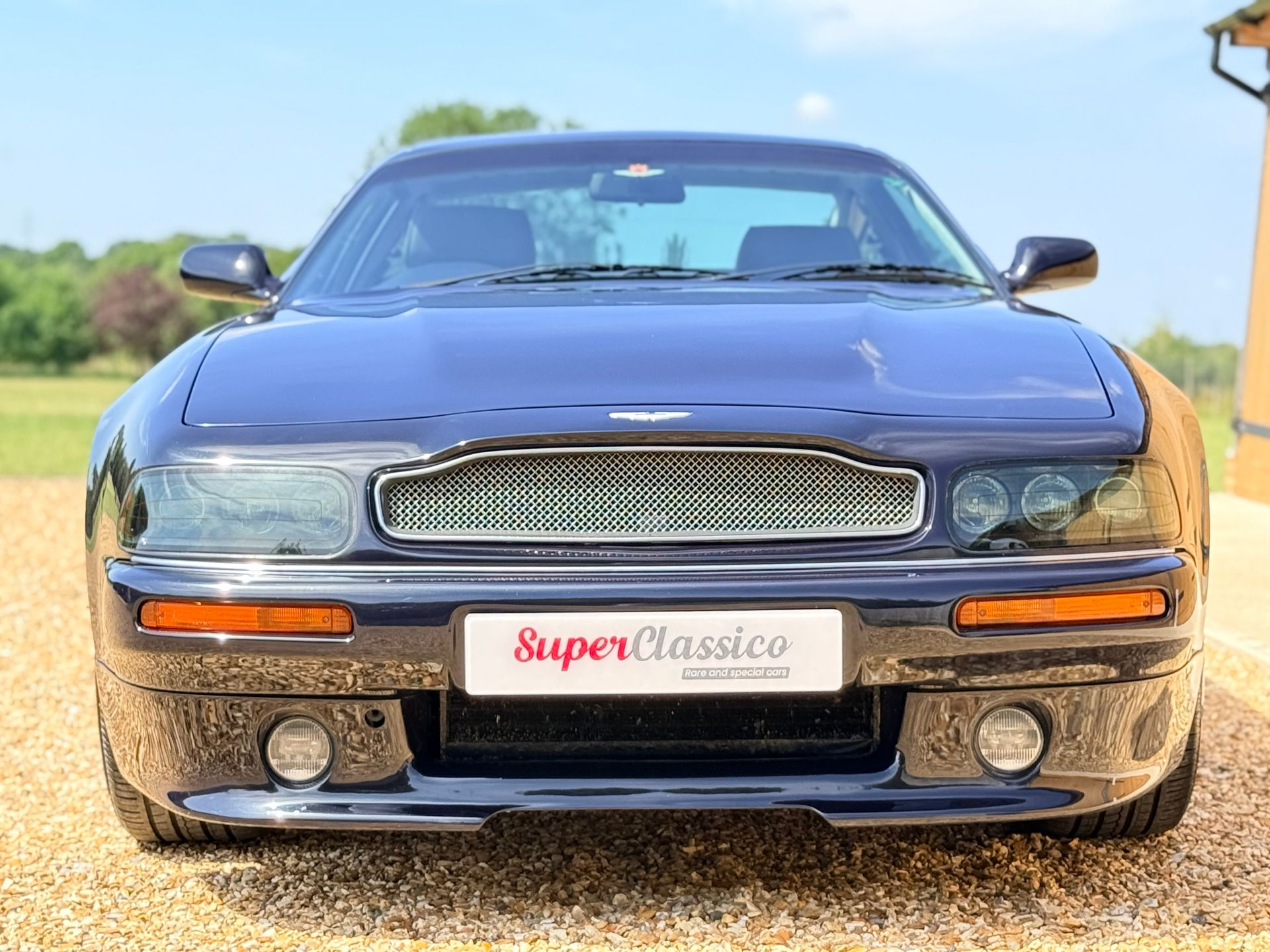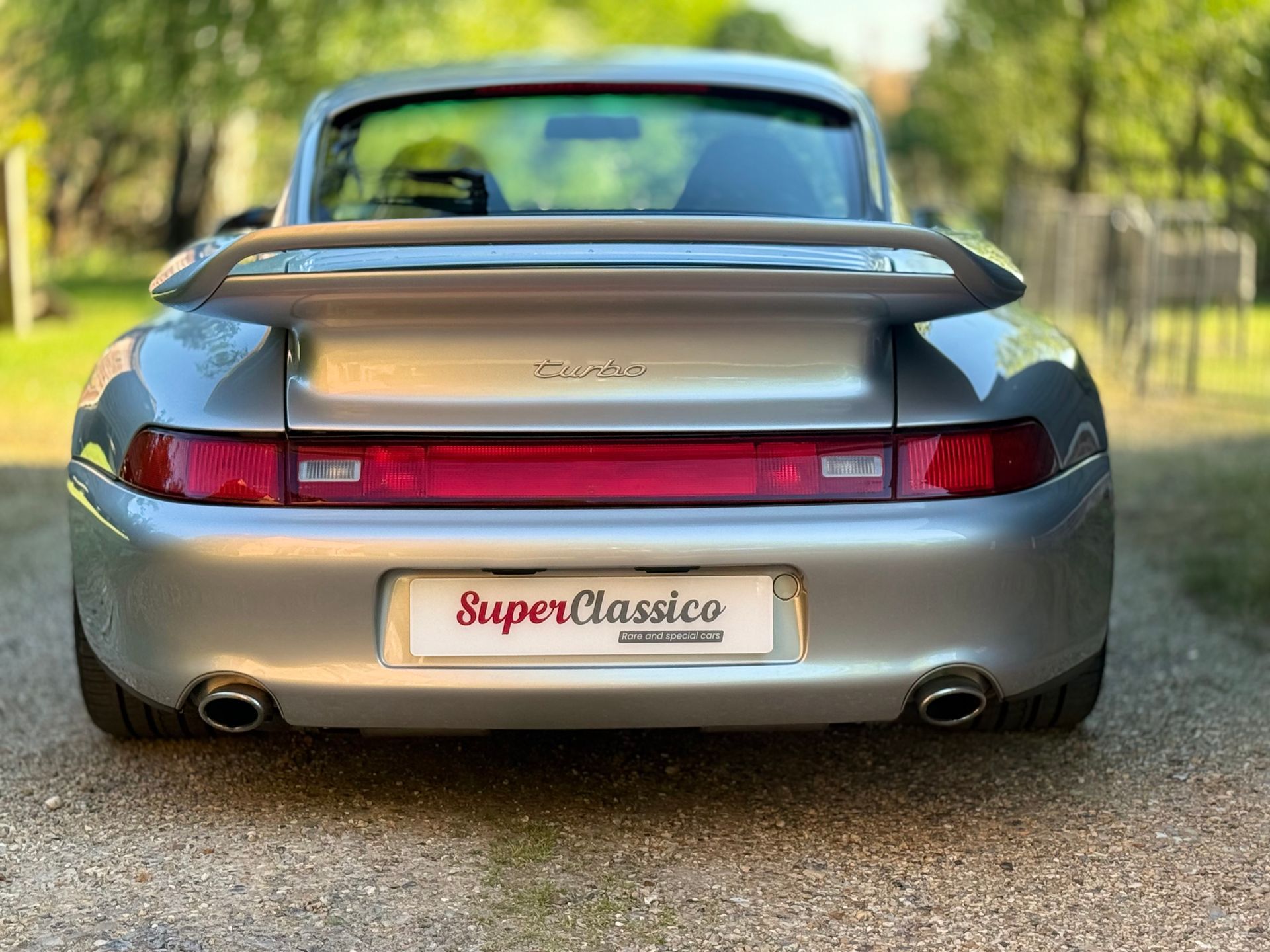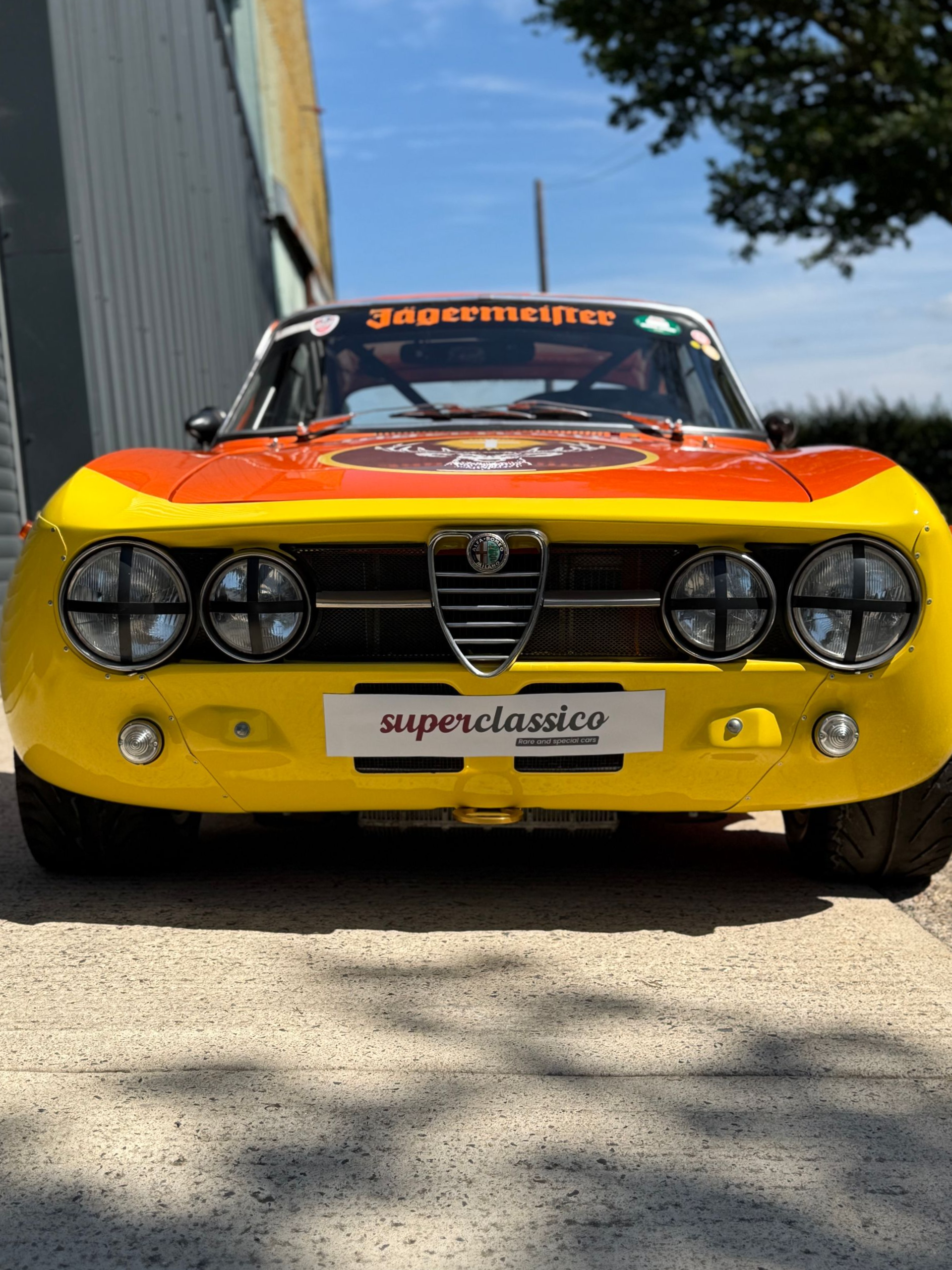
The Investment Car Market: Where Passion Meets Performance
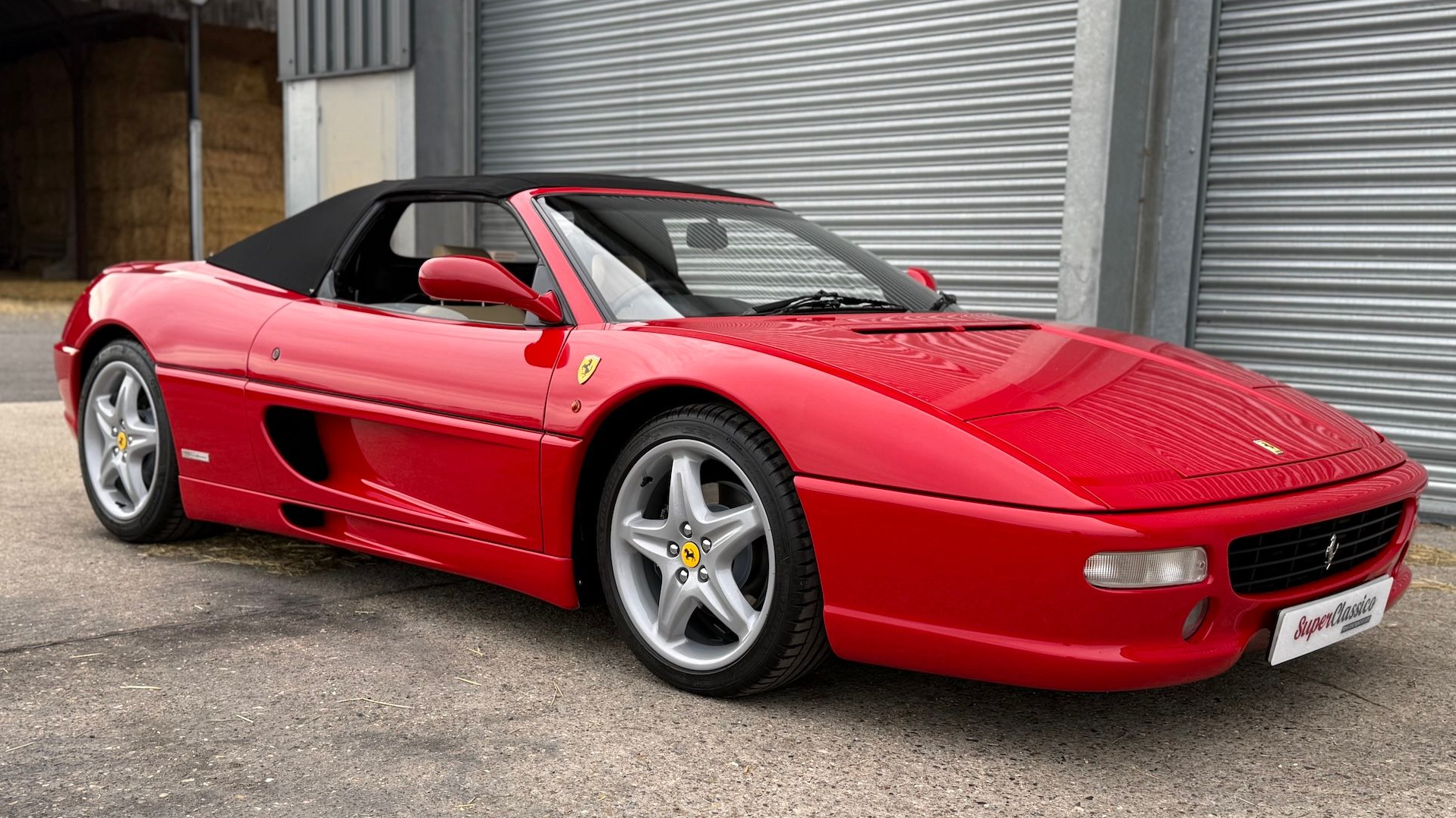
The winds of change are blowing and the investment car market is evolving. Attracting collectors, investors, and enthusiasts seeking assets that combine passion and finances in a way that only cars can.
While classic Ferraris, Porsches, and Aston Martins have long been a play thing for the uber-wealthy, today's market is being reshaped by changing demographics, technology and global wealth trends.
Current Trends Driving the Market
One of the most notable shifts I’m seeing in the market is the growing demand for modern classics.
No longer is it just the fastest, most powerful cars drawing attention, but instead, vehicles from the 1990s and early 2000s. Limited-production sports cars, analog driving machines, and first-generation supercars are on the minds of buyers as they seek to fill their garages of cars they once dreamt of.
As a result of this, collectors are increasingly willing to pay substantial premiums for well-preserved, original vehicles with matching numbers, documented provenance, low mileage, and factory specifications. In a market flooded with restorations and modifications, authenticity has become a valuable currency.
Getting a hold of these vehicles is also now easier than ever. Digital auction platforms have transformed access to investment-grade vehicles. Buyers can now participate globally, increasing market transparency and broadening the pool of potential bidders, bringing more niche collectors, and their cars, into the spotlight.
Expert Commentary
In my experience, there are several characteristics the best-performing collector cars tend to share:
- Limited production numbers
- Strong brand heritage
- Historical significance
- Exceptional condition
- Comprehensive documentation
It is important however, to caution against viewing these cars purely as speculative investments. Unlike traditional financial assets, automobiles require storage, maintenance, insurance, and ongoing care - which comes at a cost. The strongest returns often come from vehicles purchased with both passion and patience as opposed to viewing them as a quick flip.
A number of close collectors also note that rarity alone does not guarantee appreciation. A car must have cultural relevance, enthusiast demand. Often, the vehicles that perform best financially are those that enthusiasts genuinely desire to own and drive.
Market Challenges
Despite increased interest and ease of access, the investment car sector faces several difficulties. In particular, I’ve seen that the current economic uncertainty around the world has resulted in more selective purchasing behaviour, reducing the number of speculative or impulsive purchases being made.
Additionally, with an influx of wealth being passed down, buyers from younger generations are demonstrating different ownership preferences. While enthusiasm for performance vehicles remains strong, sustainability concerns and changing mobility habits may influence future collector demand.
Finally, with the world going green, the transition toward electrification presents both risks and opportunities. Traditional, powerful, internal combustion icons may become increasingly desirable as automotive technology shifts toward electric powertrains, potentially enhancing the appeal of “old-school” driving experiences.
Predictions for the Next Decade
With this in mind, I am putting my neck on the line, and I believe that there are several themes are likely to define the market over the next decade:
Modern Classics Will Continue to Rise
Limited-production vehicles from the late 1990s through the 2010s will attract sustained collector interest as affluent or aspirational buyers enter their peak earning years.
Provenance Will Drive Value
Documented ownership history, exciting backstories, and factory records will increasingly separate exceptional investments from average examples.
Analog Driving Experiences Will Command Premiums
Manual transmissions, naturally aspirated engines, and mechanically engaging vehicles are likely to become more desirable as traditional “drivers” cars, become a thing of the past.
Global Demand Will Expand
Growing wealth in emerging markets is expected to increase competition for the world's most desirable collector cars, supporting long-term values for blue-chip automotive assets.
Final Thoughts
The investment car market remains one of the few asset classes where financial opportunity and personal enjoyment can coexist.
While no investment is guaranteed, my advice to investors considering entry into the sector echoes the timeless advice I was once given: buy the best example you can afford, focus on quality and heritage over quantity, and invest in cars you would be proud to own regardless of the market.
After all, the most successful collector car investments begin with passion, not spreadsheets.
Let Us Know What You're Looking For'
Get in touch, tell us what you’re looking for, and we’ll find you a special car.
Contact Us